Stream Habitat Stewardship

Goal:  Develop and apply a general approach for stream habitat
characterization, management, and restoration, in particular with
respect to temperature regimes required by species of
conservation concern.

Background:  Temperature is a fundamental determinate of
habitat suitability for aquatic organisms.  Water temperature is
determined by a complex interplay of prevailing meteorology, local
riparian canopy structure and solar exposure, streambed
morphology, and surface and subsurface flow patterns.  We have
developed a methodology for spatial-temporal analysis of stream
temperature regimes.  Our approach synthesizes long-term
records of stream flow and water temperature, meteorology,
stream morphology, observed temperature regimes, riparian
canopy structure and solar exposure, prediction of temperature
regimes, and characterization of species requirements.  This
approach can be applied to a broad spectrum of streams for
habitat assessment, stream conservation, restoration to
accommodate diverse habitat needs, and examination of potential
impacts of climate change.

download stream habitat conservation prospectus pdf

                        view presentation
Copyright 2008 © Creekside Center for Earth Observation LLC. All rights reserved.
Elements of Stream Habitat Stewardship:
  • Long-Term Records: assemble historic and current records
    concerning patterns of stream flow and water temperature
    from gauging stations, and meteorology from nearby
    weather stations;
  • Stream Morphology: analyze channel characteristics
    (profile, gradient, substrate, etc.) from field characterization
    and GIS analysis;
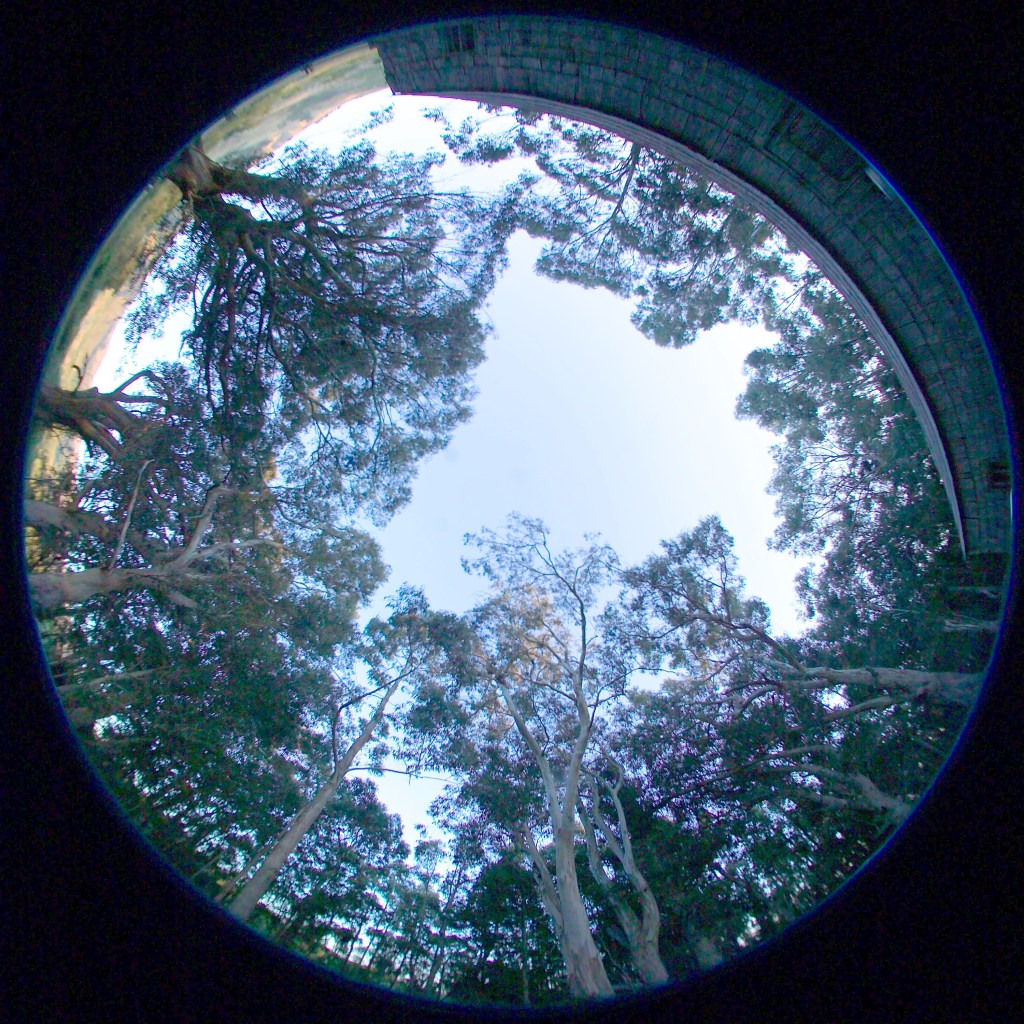
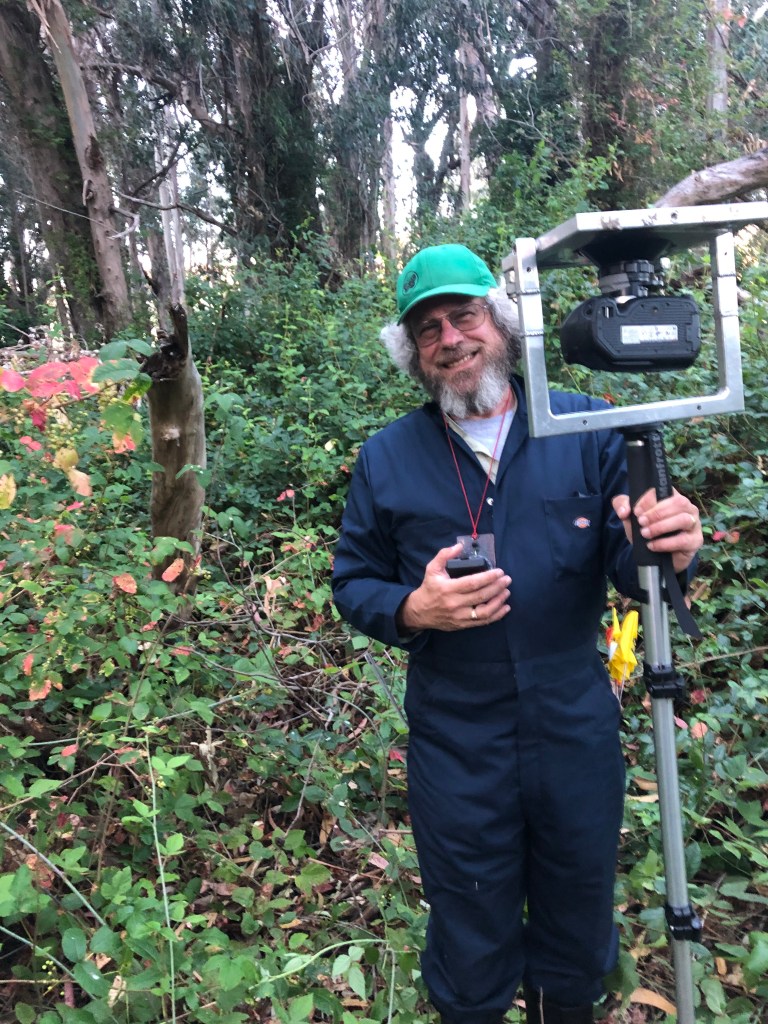
  • Riparian Vegetation: measure canopy structure and solar
    exposure using hemispherical (fisheye) photography and
    canopy LIDAR remote sensing;
  • Sensor Network: measure temperature regimes using
    IButton Thermochrons;
  • Habitat Requirements: determine temperature and other
    habitat needs of key organisms;
  • Habitat Model: develop habitat suitability model, based on
    calculation of time series of water temperature in response
    to heat fluxes using biophysical principles;
  • Education and Outreach:  develop general and site-specific
    resources (curriculum, web, brochures, presentations,
    signage, etc.) for education and interpretation of stream
    processes;
  • Planning and Review:  plan site-specific adaptive
    management of stream habitat, with periodic review of
    success and reassessment of goals; facilitate
    communication/collaboration among stakeholders
    (scientists, public, resource managers, and decision
    makers).
Benefits
  • Conservation of critical stream habitat
  • Sound scientific basis for proactive, cost-effective stream
    habitat restoration and management
  • Standardized methodology for comparison across
    different streams and different watersheds

Contacts
  • Stuart B. Weiss, PhD, CEO and Chief Scientist, Creekside
    Center for Earth Observation, stu at creeksidescience.com
  • Paul M. Rich, PhD, Senior Scientist, Creekside Center for
    Earth Observation, paul at creeksidescience.com
  • Karen Ritchie Shihadeh, Senior Wildlife Biologist, Ventana
    Wildlife Society, karenshihadeh at ventanaws.org


Our Approach

Stream Habitat Characterization:
 We employ hemispherical
photography, stream morphology, and meteorological sensors,
together with biophysical models of energy balance and
temperature to engineer best management strategies.  This
comprehensive approach enables us to identify, maintain, and
restore riparian canopy structure that provides suitable
microsites, with respect to solar exposure and temperature.

Initial Findings for San Francisquito Creek:  Water
temperature co-varies with air temperature, diurnally with a lag,
and over longer periods; stream reaches with high solar
exposure display higher temperature variability (up to 5° C
differential from baseline), whereas shaded reaches display
modest temperature variability (0.5 - 1.0° C differential);  and
subsurface flow through gravel beds can decrease temperature
by 2 - 3° C.  Steelhead (
Oncorhynchus mykiss) requires
relatively cool microsites, whereas California red-legged frog
(
Rana aurora draytonii) and western pond turtle (Clemmys
marmorata
) require warmer microsites.

Comprehensive Solutions:  Our approach merges basic
science, advanced technology, and adaptive management to
restore and conserve stream habitat.
Upward looking hemispherical (fisheye)
photograph from a closed canopy reach of
San Francisquito Creek (San Francisco
Peninsula, California).
Hemispherical photograph from a more
open reach of San Francisquito Creek.  
Overlay of the sunpath enables calculation
of solar exposure.  This location receives
high morning insolation.
Mean hourly temperature for air and closed
versus open canopy reaches of San
Francisquito Creek.
Daily temperature for closed versus open
canopy reaches of San Francisquito Creek.
Creekside Center
for Earth Observation
Key Literature:

Weiss, S.B.
, P.M. Rich, and A.E. Launer.  2008.  San
Francisquito Creek Habitat Monitoring Project Final Report.  
Creekside Center for Earth Observation Report.  pdf (report,
1.9MB)
 pdf (appendix, 2.2 MB)