Goal:   Assess ecological and conservation implications of
climate change for montane ecosystems.

The Problem:  Climate change, together with habitat
loss/fragmentation and invasion of non-native species,
poses profound challenges for conservation in montane
ecosystems, with substantial risks to ecosystem integrity
and the viability of native species.

Scientific Foundations for Conservation: The
Creekside Center for Earth Observation is working to
assess ecological impacts of climate change and develop
conservation plans for montane ecosystems. Global climate
change translates locally into corresponding shifts of
microclimate gradients, with potential habitat for some
species increasing and for others decreasing. For example,
distributions of plant species such as big sagebrush
(Artemisia tridentata), currently most common in warmer,
drier habitat of lower elevations, are expanding in higher
elevation microsites as temperature rises. At the same time,
populations of higher-elevation species are becoming more
fragmented and shifting from south-facing slopes to cooler
north-facing slopes. Microclimate shifts also cause
additional non-linear, cross-scale changes in processes
such as fire cycles and pathogen outbreaks.

   
download montane conservation vision pdf
Copyright 2008 © Creekside Center for Earth Observation LLC. All rights reserved.
Creekside Center
for Earth Observation
Elements of Conservation:
  • Habitat characterization: map current habitat using microclimatic models of key conditions
    (temperature, precipitation, solar exposure, soil moisture, etc.);
  • Habitat changes: evaluate shifts in microclimate maps based on likely climate change scenarios;
  • Biotic responses: predict shifts in distribution of native species likely to result from microclimate shifts
  • Conservation planning: develop management and mitigation plans to protect montane biodiversity
    and ecosystem services under future climatic conditions;
  • Education and outreach: communicate with diverse audiences (public, landholders, resource
    managers, decision makers, elected officials, etc.) through various media (press, field tours, web
    sites, briefing papers, presentations, brochures, etc.)
Contacts
  • Stuart B. Weiss, PhD, CEO and Chief Scientist,
    Creekside Center for Earth Observation, stu at
    creeksidescience.com
  • Paul M. Rich, PhD, Senior Scientist, Creekside Center
    for Earth Observation, paul at creeksidescience.com
Global warming is causing changes in the
abundance and distribution of plants and animals
of montane ecosystems, such as this study site at
timberline in the White Mountains of California
(photo by S. Weiss)
Vegetation at timberline near Rocky
Mountain Biological Laboratory in Colorado.
(photo by P. Rich)
Climate Change and Conservation of Montane Ecosystems
Sampling high-elevation plant communities in the
White Mountains. (photo by S. Weiss)
Average diurnal microclimate records for
Rocky Mountain Biological Laboratory.
Insolation models for the vicinity of Rocky
Mountain Biological Laboratory.
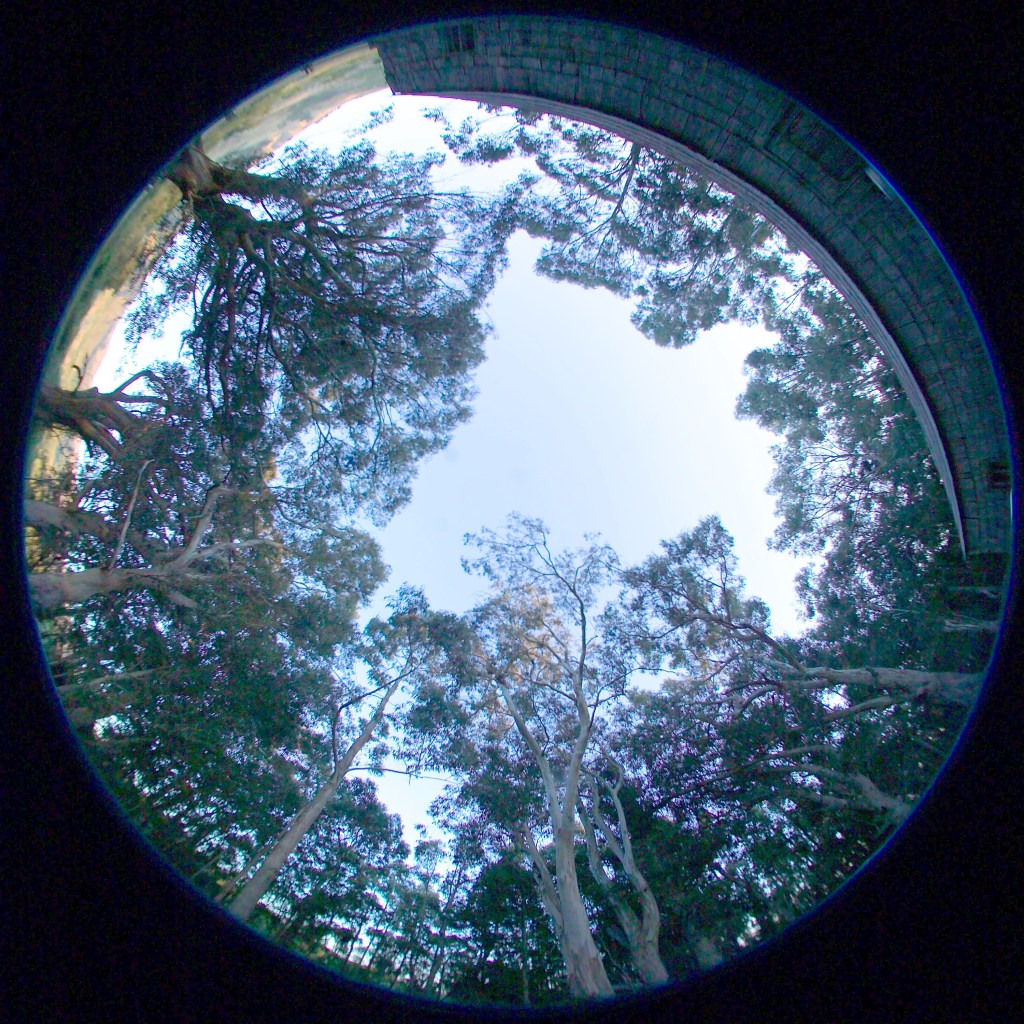
Upward-looking hemispherical photographs
of topographic influences on insolation.
Key Literature

Fu, P. and P.M. Rich. 2000. The Solar Analyst user
manual.
Helios Environmental Modeling Institute. pdf

Fu, P., and P.M. Rich. 2002. A geometric solar
radiation model with applications in agriculture and
forestry.
Computers and Electronics in Agriculture
37:25-35.
pdf

Van de Ven, C.M., S.B. Weiss, and W.G. Ernst. 2007.  
Plant species distributions under current conditions
and forecasted for warmer climates in an arid mountain
range.
Earth Interactions 11:1-33. pdf
Energy Balance Components: shortwave
radiation (SW), longwave radiation (LW),
sensible heat (H), latent energy (LE), and
storage (G).