Monarch Winter Habitat Stewardship
Goal: Conserve the long-term integrity of winter roosting sites for
monarch butterflies throughout California by developing
comprehensive site stewardship plans.
Background: Each winter monarch butterflies (Danaus plexippus
L.) from throughout North America migrate to winter habitat in
Mexico and California, where they roost in sites protected from
extreme weather. In California dozens of sites support
overwintering butterflies from western North America. Responsible
protection and management of these sites is critical for the
long-term welfare of western monarch butterflies. We propose a
collaborative effort to develop and implement site stewardship
plans that ensure the long-term integrity of the major monarch
butterfly winter roosting sites.
download monarch habitat stewardship vision pdf
Copyright 2008 © Creekside Center for Earth Observation LLC. All rights reserved.
|
Creekside Center
for Earth Observation

Elements of Stewardship:
- Data compilation: assemble historic and current records concerning habitat characteristics, butterfly
populations, and site management; ensure that site data are properly managed, archived, and
accessible
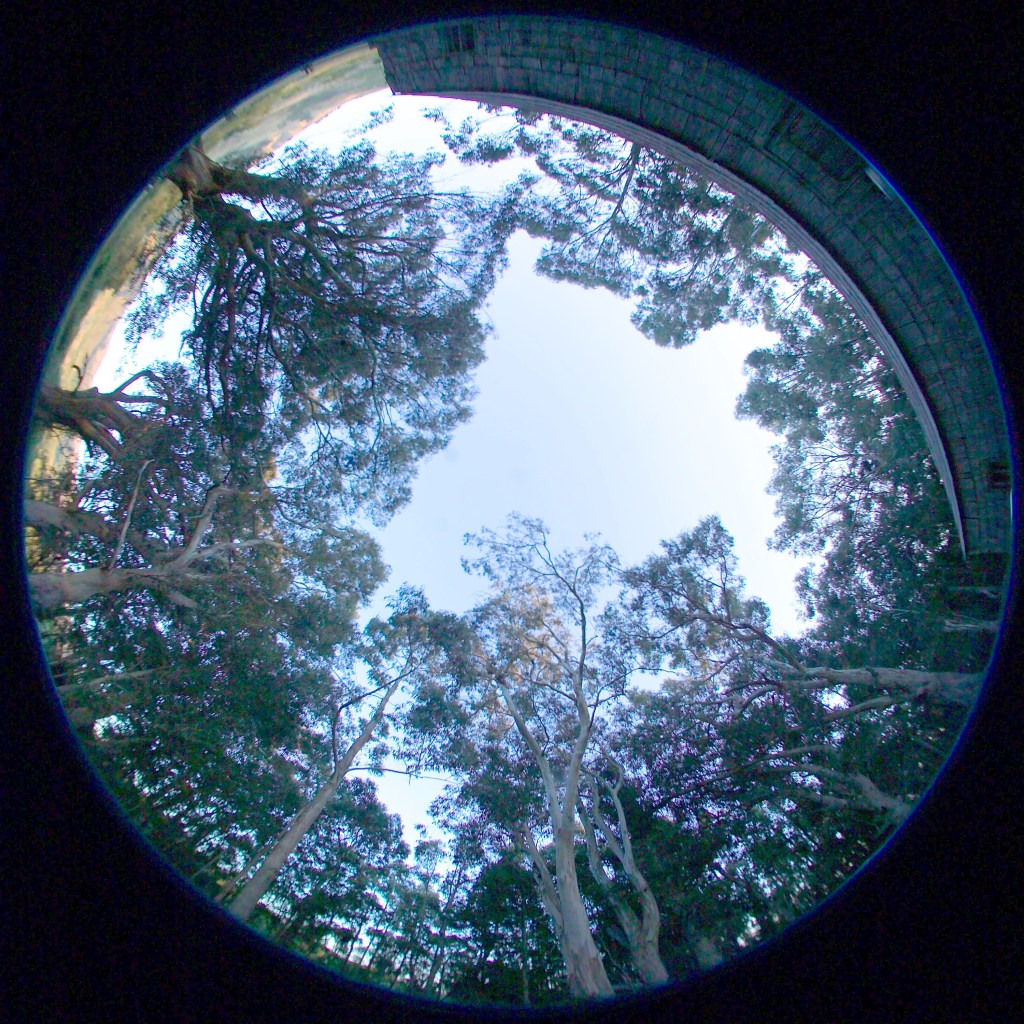
- Habitat characterization: characterize stand structure and microclimate (solar radiation, temperature,
wind, etc.) using hemispherical photography, forest stand maps, and meteorological sensors
- Tree health: assess tree health and risks to human safety and property
- Interactions with surrounding environment: evaluate impacts of surrounding lands on site (land use,
management, development, etc.) and site on surrounding environment (invasion of non-native tree
species from forest stand, etc.)
- Site modeling: model changes over time (tree growth, senescence, and recruitment) to identify best
management strategies (pruning, tree removal, tree planting etc.)
- Ongoing monitoring: monitor butterfly population status, changes in stand structure and
microclimate, tree health, risk to humans and property, interactions with surrounding environment,
etc.
- Ongoing management and restoration: manage roost trees, shelter trees and understory to ensure
long-term habitat suitability; restore appropriate native plants
- Education and outreach: develop general and site-specific resources (curriculum, web, brochures,
presentations, and signage) for education and interpretation
- Planning and review: plan for site-specific adaptive management, with periodic review of success
and reassessment of goals; facilitate communication/collaboration among stakeholders (scientists,
public, managers, decision makers, etc.); form management team to oversee annual schedule of
work and meetings
Benefits
- Conservation of monarch winter habitat
- Sound scientific basis for proactive, cost-effective
management
- Minimization of human and property risks
- Compliance with government regulations
- Coordination and collaboration across sites
Contacts
- Stuart B. Weiss, PhD, CEO and Chief Scientist, Creekside
Center for Earth Observation, stu at creeksidescience.com
- Paul M. Rich, PhD, Senior Scientist, Creekside Center for
Earth Observation, paul at creeksidescience.com
- Karen Ritchie Shihadeh, Senior Wildlife Biologist, Ventana
Wildlife Society, karenshihadeh at ventanaws.org
Our Approach
Habitat Characterization and Modeling: We employ
hemispherical photography, stand maps, and meteorological
sensors, together with models of site changes over time, to
engineer best management strategies. This comprehensive
approach enables us to identify, maintain, and restore forest
canopy structure that provides suitable overwintering microsites,
with respect to solar exposure, temperature, and wind protection.
Comprehensive Solutions: Our approach merges basic
science, advanced technology, and adaptive management to
conserve stand integrity of monarch butterfly winter habitat. We
have applied this approach at sites throughout California and
Mexico.
Key Literature:
Weiss, S.B., and P.M. Rich. 2008. Recommendations for
Restoration of Monarch Butterfly Winter Habitat at Norma B.
Gibbs Park, Huntington Beach, CA. Creekside Center for Earth
Observation Report. pdf
Weiss, S.B., et al. 2005. Topoclimate and microclimate in the
Monarch Butterfly Biosphere Reserve (Mexico). World Wildlife
Fund Report. pdf pdf (text only)
Weiss, S.B., and D.C. Luth. 2002. Assessment of overwintering
monarch butterfly habitat at Cooper Grove (Andrew Molera
State Park, Monterey County, CA) using hemispherical
photography. Creekside Center for Earth Observation Report.
pdf
Weiss, S.B., P.M. Rich, et al. 1991. Forest canopy structure at
overwintering monarch butterfly sites: measurements with
hemispherical photography. Conservation Biology 5: 165-175.
pdf
Weiss, S.B. 1998. Habitat suitability, restoration, and vegetation
management at Monarch Grove Sanctuary, Pacific Grove, CA,
TRA Environmental Report. pdf
Each winter thousands of monarch butterflies aggregate and roost in forest stands protected from extreme weather.
|
Monarch butterfly populations at winter roosting sites vary from year to year, with butterflies selecting different microsites in response to weather changes.
|
Protection from wind, especially during winter storms, is essential for survival.
|
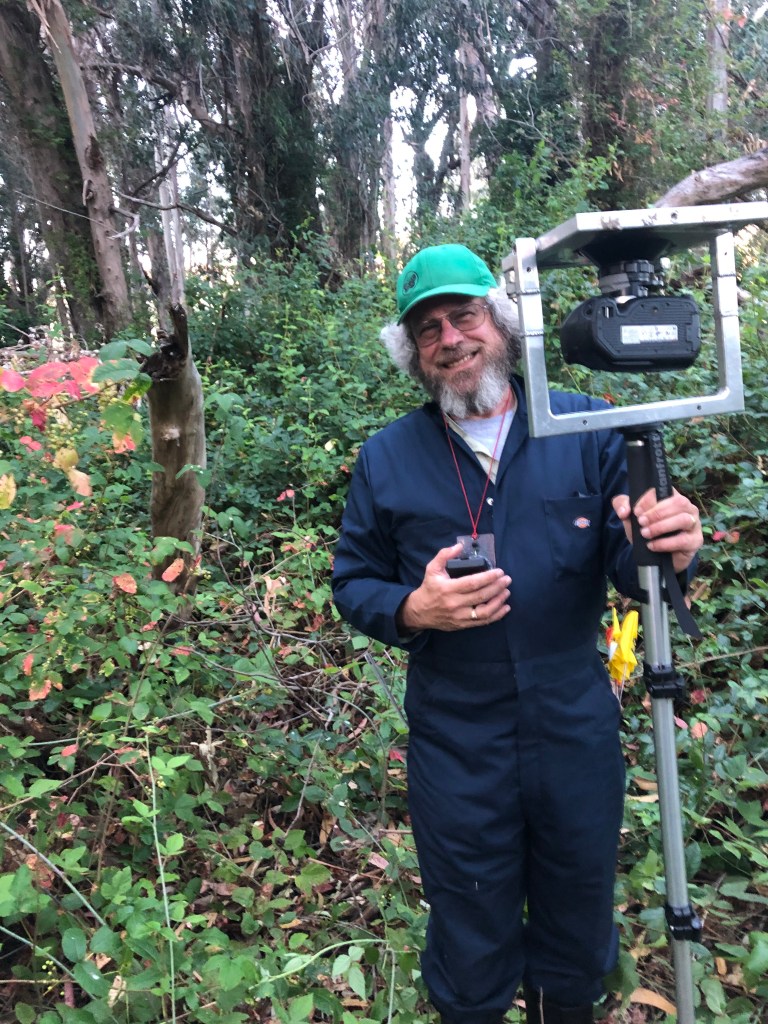
Upward-looking hemispherical (fisheye) photography under forest stands provides a methodology to characterize canopy geometry, and to calculate solar and wind exposure.
|